A roof leak is not always immediately obvious. Water can enter through a small gap in the roof covering, travel along timbers or insulation and only become visible inside the property some distance from the original defect. By the time a damp patch or ceiling stain appears, moisture may already have affected parts of the roof structure.
For homeowners in Trowbridge, Wiltshire, recognising the early signs of a hidden roof leak can help prevent further deterioration and protect the condition of the property. MCM Roofing Repairs Trowbridge provides professional roofing services to help identify leaks, investigate their causes and carry out suitable repairs.
Why Hidden Roof Leaks Can Be Difficult to Identify
Unlike an obvious leak where water drips directly through the ceiling, a hidden roof leak may develop gradually. Rainwater can pass beneath damaged tiles, enter through deteriorating flashing or penetrate small cracks in a flat roof covering.
Once inside, moisture may move along roof timbers, insulation or internal surfaces before becoming visible. This can make it difficult to identify the exact entry point without a thorough inspection.
A leak may also appear only during particular weather conditions, such as heavy rainfall or strong winds. Even if the affected area dries between periods of rain, the underlying defect may remain and allow further water to enter.
Common Warning Signs of a Hidden Roof Leak
Brown Stains on Ceilings and Walls
Brown or yellowish marks on ceilings are among the most recognisable signs of water ingress. These stains may begin as small patches before spreading or becoming darker after rainfall.
Marks near the top of internal walls can also indicate moisture entering around roof edges, flashing or adjoining structures. Repainting the affected area without addressing the source will not resolve the leak.
Peeling Paint and Bubbling Plaster
When moisture becomes trapped behind internal finishes, paint may begin to blister, peel or lose its adhesion. Plaster can also soften, bubble or develop uneven patches.
These changes are not always caused by roof leaks, but when they appear on upper floors or beneath the roof space, the roof should be considered as a possible source.
Musty Smells in Loft Spaces
A persistent musty smell may indicate damp insulation, roof timbers or other materials. This can occur even when there are no obvious drips or visible stains inside the property.
If the loft feels unusually damp or has a lingering smell after wet weather, a professional inspection can help establish whether water is entering through the roof.
Damp or Discoloured Roof Timbers
Roof timbers should not remain persistently damp. Dark patches, water marks, soft areas or visible deterioration may indicate prolonged moisture exposure.
If the loft is safely accessible, homeowners may notice changes around rafters, roof supports or the underside of the roof covering. Avoid disturbing damaged materials or attempting to inspect difficult-to-reach areas yourself.
Mould or Condensation That Keeps Returning
Recurring mould near ceilings or in loft spaces may be linked to excess moisture. Condensation is another possible cause, particularly where ventilation is inadequate, so it is important not to assume every damp patch comes from a roof leak.
A professional assessment can help distinguish between condensation and water ingress, ensuring that the correct issue is addressed.
Common Causes of Hidden Roof Leaks
Several roofing defects can allow water to enter without creating an immediate visible drip.
- Broken or slipped roof tiles: Displaced or cracked tiles can expose the layers beneath to rainwater.
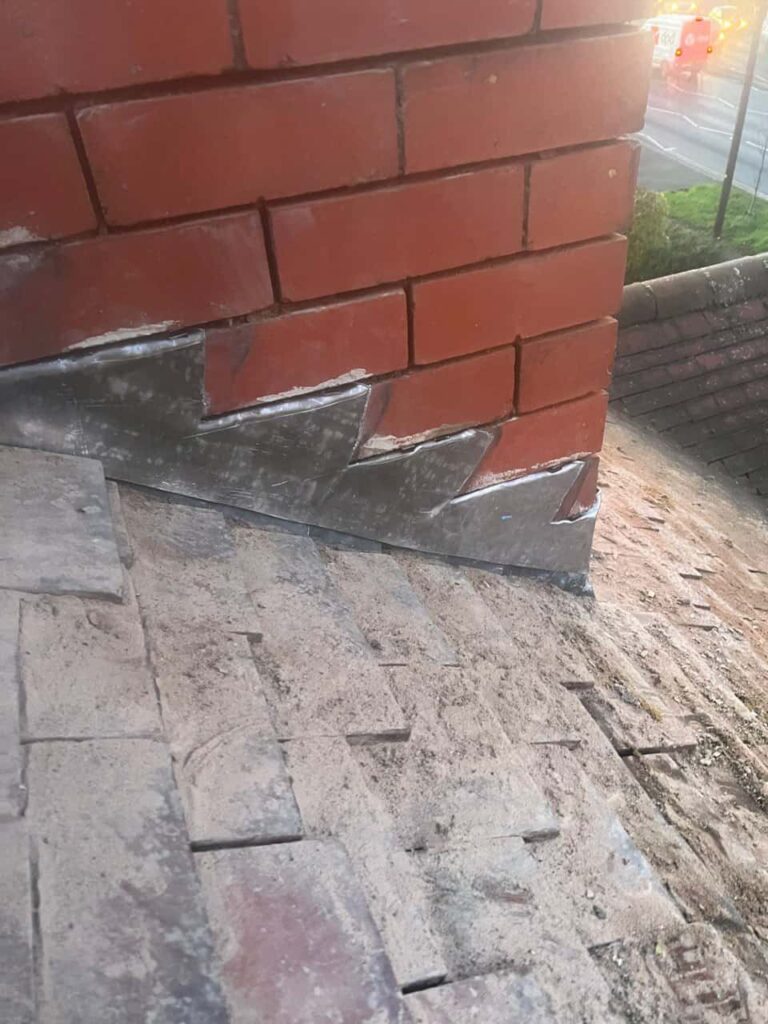
- Damaged flashing: Deteriorated flashing around chimneys, roof junctions and other features can allow water through vulnerable gaps.
- Worn flat roof coverings: Cracks, splits, blistering and failed seams can compromise waterproofing.
- Blocked gutters: Overflowing gutters can allow water to reach roof edges and adjoining building materials.
- Damaged ridge or verge details: Loose mortar, failed fixings or deteriorating components can create entry points for moisture.
The visible signs inside the property may be some distance from the actual defect, which is why identifying the source is essential before carrying out repairs.
Why You Should Not Ignore a Small Roof Leak
Even a minor leak can cause ongoing problems if water continues to enter the building. Repeated moisture exposure may damage insulation, weaken timber components, stain ceilings and affect internal finishes.
Damp materials can also create conditions that encourage mould growth. In addition, water entering around electrical fittings should be treated with particular caution. Avoid touching wet fittings and seek appropriate professional assistance.
Prompt attention can help limit the spread of moisture and prevent a relatively small roofing defect from developing into a more extensive repair issue.
What to Do If You Suspect a Roof Leak
If you notice damp patches, ceiling stains or other warning signs, consider the following steps:
- Note when the symptoms appear and whether they become worse after rainfall.
- Move furniture and belongings away from the affected area.
- Place a suitable container beneath active drips, where safe to do so.
- Avoid climbing onto the roof or attempting repairs yourself.
- Arrange a professional roofing inspection to identify the source of the water ingress.
It is important to investigate the cause rather than simply covering the visible stain. Effective repairs should address the point where water enters and check for any related damage.
Professional Roof Leak Repairs in Trowbridge
Finding a hidden roof leak requires more than treating the area where water appears indoors. A roofer needs to assess the roof covering, vulnerable junctions, flashing and drainage details to establish how moisture is entering the property.
MCM Roofing Repairs Trowbridge can help homeowners in Trowbridge, Wiltshire, investigate suspected roof leaks and arrange appropriate repair work. Whether the issue involves damaged tiles, worn flat roofing or deteriorating flashing, identifying the cause is an important step towards restoring reliable weather protection.
Conclusion
Hidden roof leaks can develop gradually, with early warning signs including ceiling stains, peeling paint, musty smells, damp roof timbers and recurring mould. Although these symptoms may initially appear minor, ignoring them can allow moisture to cause further damage.
If you have noticed signs of water ingress or suspect a leak in your roof, contact MCM Roofing Repairs Trowbridge to discuss your roofing concerns in Trowbridge, Wiltshire, and arrange a professional assessment.
Call us on: 01225 258 794
Click here to find out more about MCM Roofing Repairs Trowbridge
Click here to complete our contact form and see how we can help with your roofing needs.