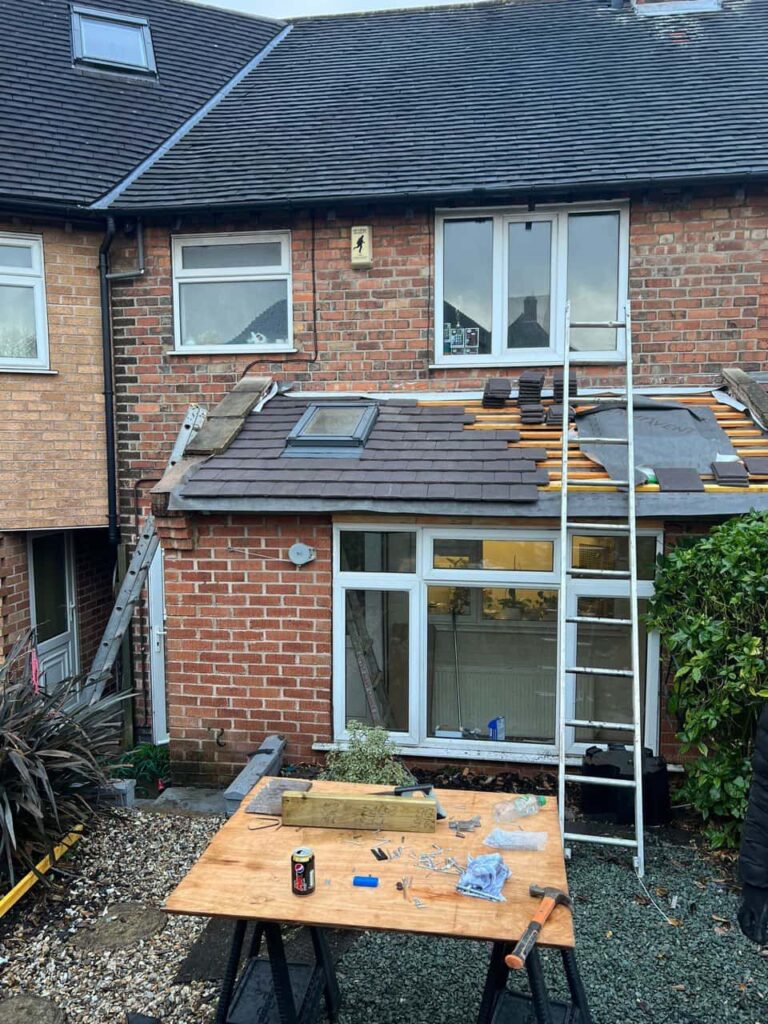
Flat and felt roofs provide practical protection for many extensions, garages, outbuildings and other properties. However, because of their relatively shallow slope, they can be particularly dependent on effective waterproofing and drainage. Small defects can sometimes develop gradually before becoming obvious leaks.
For property owners in Trowbridge, Wiltshire, recognising early signs of damage can help identify problems before they cause more extensive deterioration. Regular checks and timely flat or felt roof repairs can help maintain the condition and performance of the roofing system.
Why Early Detection Matters
Roofing problems rarely improve by themselves. A small split, damaged section or failed joint can allow moisture to penetrate the waterproof layer. Continued exposure to water may eventually affect the roof deck, insulation and internal areas.
Identifying damage at an early stage can make it easier to determine the appropriate repair and prevent a local defect from developing into a more significant roofing problem.
Look for Cracks and Splits in the Felt
Felt roofing can deteriorate over time due to exposure to weather conditions and repeated temperature changes. Cracks, splits and tears can appear on the surface, particularly around vulnerable areas and joints.
Even a small opening can provide a route for water to penetrate beneath the waterproof covering. Visible damage should therefore be assessed rather than left unattended.
Check for Blisters and Raised Areas
Blisters or raised sections on a felt roof can indicate that the roofing layers are no longer lying flat. They may develop because of trapped moisture or air beneath the felt.
It is important not to puncture or cut these areas without professional assessment. The visible blister may be a symptom of an underlying problem rather than the actual source of it.
Watch for Standing Water
Water that remains on a flat roof after rainfall can indicate inadequate drainage or an uneven section of the roof surface. Occasional surface moisture may be expected, but persistent ponding should be investigated.
Standing water can place additional stress on the waterproofing system and may contribute to deterioration over time. Gutters, outlets and other drainage points should also be checked for blockages or damage.
Inspect Roof Edges and Joints
The edges and joints of a flat or felt roof are important areas to monitor. Deteriorated seals, lifted felt or damaged edge details can allow water to get underneath the roofing system.
These areas can be particularly vulnerable where the roof meets walls, upstands or other structures. Professional inspection can help establish whether a local repair is sufficient or whether a larger section needs attention.
Look for Dampness Inside the Property
Some roof defects are easier to identify from inside than outside. Damp patches, staining, peeling finishes or a musty smell in rooms beneath a flat roof can indicate water ingress.
The visible damp area may not be directly below the external defect because water can travel through roofing layers before appearing internally. This is why tracing the source of a leak is important.
Check for Damaged Flashing
Flashing helps protect vulnerable junctions where the roof meets walls, chimneys or other structures. If flashing becomes loose, cracked or deteriorated, water can potentially enter around these points.
When investigating a flat roof leak, the flashing and surrounding junctions should be assessed as part of the overall inspection rather than concentrating solely on the felt surface.
When Does a Felt Roof Need Repair?
The appropriate repair depends on the type and extent of damage. Localised splits, damaged joints or small defects may sometimes be addressed with targeted repairs.
Where the waterproofing has deteriorated across a larger area, more extensive work may be necessary. A professional assessment can help determine the condition of the roof and the most suitable approach.
Why Professional Flat Roof Repairs Matter
Flat and felt roof repairs require careful attention to waterproofing details. Simply covering a visible defect may not resolve the underlying cause of a leak.
MCM Roofing Repairs Trowbridge can assess the roof surface, edges, joints, drainage and other vulnerable areas to identify where water may be entering. This allows repairs to be based on the actual condition of the roofing system.
Maintaining a Flat or Felt Roof
Regular visual checks can help property owners identify developing problems. Keeping drainage points clear and looking out for damaged felt, ponding water or deteriorating joints can help highlight issues at an early stage.
After periods of severe weather, it can also be useful to check for displaced or damaged roofing materials and arrange an inspection if anything appears unusual.
Flat and Felt Roof Repairs in Trowbridge
If you have noticed signs of damage to a flat or felt roof, professional assessment can help establish whether repairs are required. MCM Roofing Repairs Trowbridge provides roofing repair services in Trowbridge, Wiltshire, with attention to identifying the source and extent of roofing problems.
A suitable repair can help restore the roof’s waterproofing and reduce the risk of continued water ingress.
Conclusion
Early identification of flat and felt roof damage can help prevent minor defects from developing into more serious problems. Cracks, blisters, standing water, damaged flashing, deteriorating joints and internal dampness are all signs that a roof may require attention.
If you have noticed potential damage to a flat or felt roof in Trowbridge, Wiltshire, contact MCM Roofing Repairs Trowbridge to arrange a professional assessment and discuss the appropriate repair.
Call us on: 01225 258 794
Click here to find out more about MCM Roofing Repairs Trowbridge
Click here to complete our contact form and see how we can help with your roofing needs.